Is Asia Really One Football Continent?

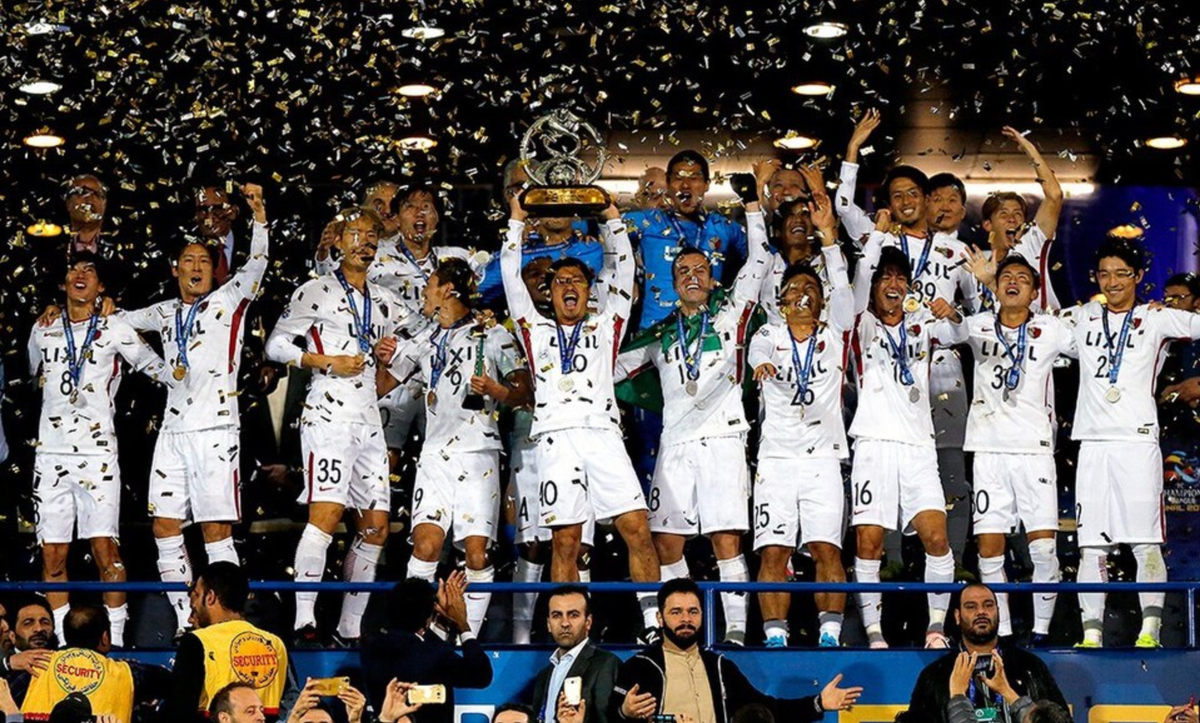
Between Gulf Capital and East Asia’s Football Culture: Imagining a New Champions League
I am watching the UEFA Champions League final in Budapest. A season of long journeys has been compressed into a single night.
What this match evokes is not merely a comparison between two teams. There is Arsenal’s long wait, and there is PSG’s attempt to turn years of lavish investment into a dynasty. Decades of ambition, frustration, and memory overlap within a single game. The Champions League is special not only because the world’s best players compete in it. It is also a tournament that redraws Europe as a shared space and brings its accumulated histories back into view.
London and Madrid, Milan and Munich, Paris and Lisbon speak different languages. Their histories have not always been peaceful. Yet on a Champions League night, these cities enter the same story. The competition did not succeed because Europe was already a single cultural sphere. It succeeded because Europe spent decades carefully building a stage on which different cities and nations could meet.
Asia also has the AFC Champions League Elite. But it is difficult to feel the same sense of regional belonging when watching it.
Asia is simply too vast. The distance between Seoul and Tokyo is fundamentally different from the distance between Seoul and Riyadh. The differences go beyond travel time. They include language, daily rhythms, media markets, and the ways in which people consume football. East Asia and the Middle East may be grouped together on the same continent, but it is difficult to describe them as part of a single everyday cultural sphere.
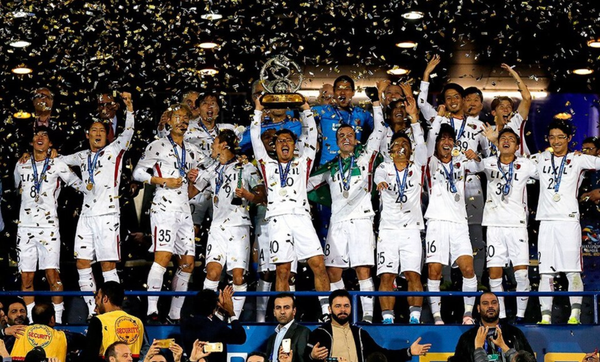
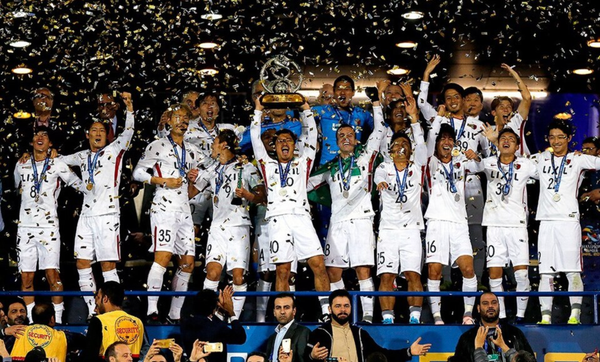
In recent years, the center of gravity in Asian football appears to have shifted westward. Saudi Arabia and other Gulf states have used immense financial resources to recruit famous players and managers and to host major international sporting events. The final stages of the revamped AFC Champions League Elite have also been held in Saudi Arabia.
There is a clear logic to this shift. Money can improve the quality of a league. The arrival of global stars generates attention, and attention can translate into broadcasting rights and a larger fan base. It is natural for interest to move toward places with capital and infrastructure. There is nothing wrong with that in itself.

But this raises a question.
Must the future of Asian football move toward a single center?
The growth of football in the Middle East and the creation of an East Asian stage are not mutually exclusive. If anything, treating Asia as a single football market simply because it is one continent may end up limiting the potential of its constituent regions. Following capital may be a rational path, but it is not the only one.
We could imagine a separate club competition linking East Asia, Southeast Asia, and Australia.
Japan’s J.League, South Korea’s K League, the Chinese Super League, and Australia’s A League could take part, alongside leading clubs from Thailand, Vietnam, Indonesia, Malaysia, and Singapore. If the necessary institutional arrangements could be made, clubs from New Zealand might also be invited.
This is not merely a proposal to reduce travel distances. For a competition to succeed, sporting quality matters. But rivalries and stories matter just as much.
Matches between Korean and Japanese clubs already carry layers of accumulated emotion. That emotion is, of course, a double edged sword. Entangled with historical and political tensions, these matches can easily boil over. Yet that same tension can also make the occasion more compelling.
Games between clubs from major Chinese cities and teams from Seoul, Yokohama, or Osaka could also attract significant interest. If clubs from Bangkok, Jakarta, Hanoi, and Sydney entered the same competitive structure, the tournament would take on a richer and more layered character.
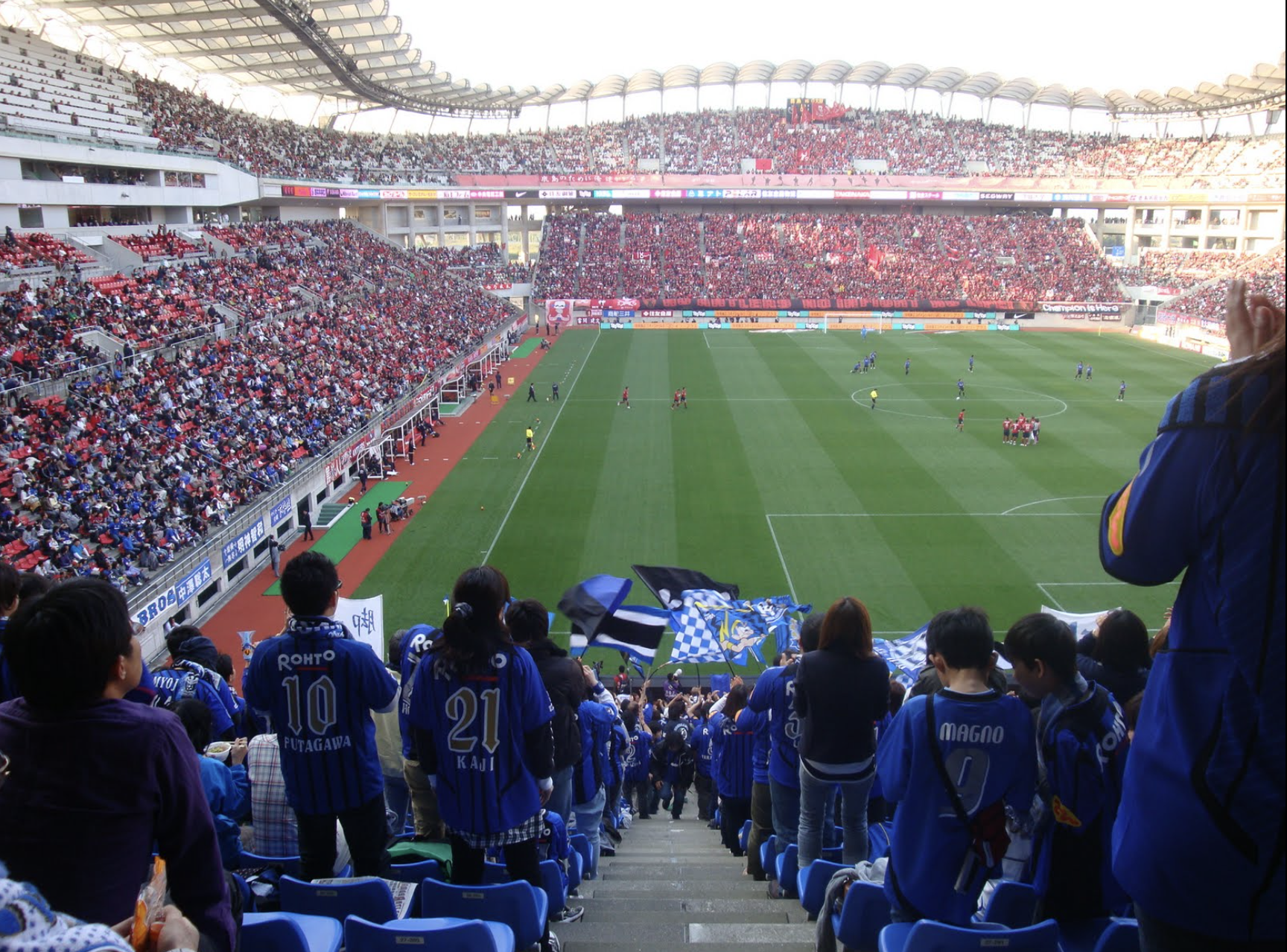
Southeast Asia already has a deeply rooted football culture, while Japan’s J.League has built stable institutions and a strong stadium culture.
South Korea’s K League occupies a somewhat different position. Compared with the extraordinary attention commanded by the national team, the domestic league has long struggled to generate sustained interest. But this is exactly why a regional competition could offer the K League a greater opportunity.
Stories that are difficult to create through domestic rivalries alone can emerge naturally when clubs face teams from Tokyo or Shanghai every year. If fixtures such as Ulsan versus Yokohama or Seoul versus Shanghai repeatedly become defining moments in the season, that energy could flow back into the domestic league. What Korean football lacks may not be infrastructure so much as narrative. A distinct East Asian stage could become a mechanism for creating those stories.
China is the most complicated variable. The Chinese Super League, which once poured vast sums of money into signing star players, has moved beyond its overheated phase and introduced salary caps and spending restrictions in an effort to stabilize. The league itself has not collapsed. Yet the more serious concern now lies in governance and trust rather than finance. Recent large scale investigations into match fixing and corruption have led to points deductions for multiple clubs.
China remains impossible to ignore because of the scale of its market. But it is still unclear when, and in what form, that market will regain credibility. The realistic approach is to keep the door open to Chinese participation while ensuring that the success of the tournament does not depend too heavily on China’s recovery.
Some may argue that this region lacks the kind of football tradition found in Europe. But traditions do not exist from the beginning. They are created through recurring matches and accumulated memories.
If clubs from Seoul and Tokyo, Ulsan and Bangkok, Shanghai and Sydney were to meet in important matches every year, new rivalries would gradually emerge. If the final rotated among different cities rather than remaining fixed in one country, the competition could become a festival for the region as a whole.
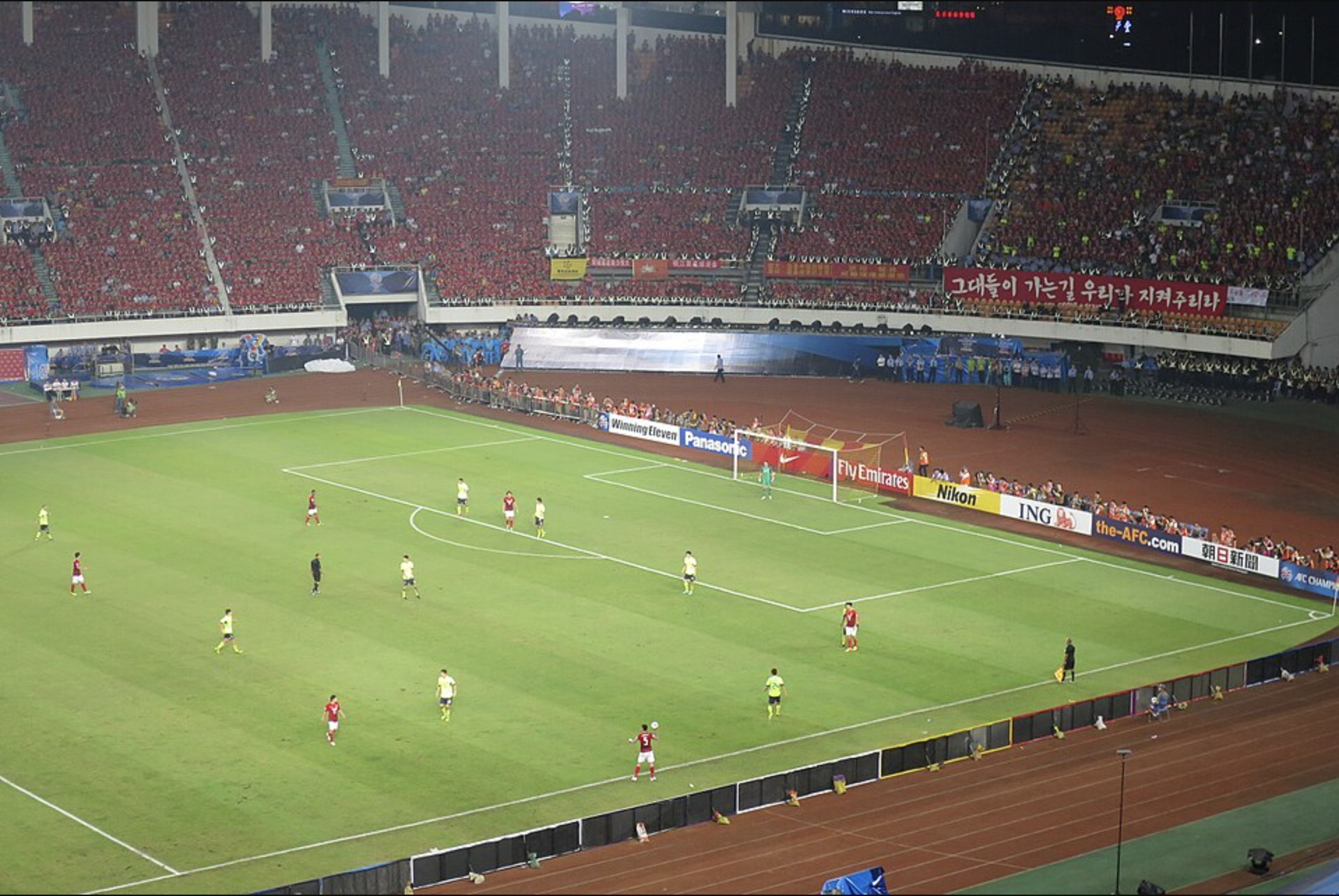
Of course, creating a new football confederation would not be simple. World Cup qualification places, relations with the AFC, commercial rights, and the competing interests of national associations would all have to be addressed. Establishing a fully independent confederation in the immediate future may be unrealistic.
But complete separation is not the only possible path.
Nor would an entirely new framework have to be built from scratch. Regional bodies already exist within the AFC, including the East Asian Football Federation and the ASEAN Football Federation. If they jointly organized a club competition and brought Australia into the structure, they could test the viability of a distinct regional football market without dismantling the existing order overnight.
The competition could begin within the AFC system while developing its own brand, broadcasting rights, and prize structure. Once it had built sufficient commercial appeal and a stable fan base, the next stage of institutional reform could be discussed.
What matters is that East Asia begins to imagine itself as a football space.
East Asia is not politically unified. Its historical memories are complex. But for that very reason, football can matter. Football does not erase differences. It creates occasions for different cities and people to meet one another repeatedly.
The UEFA Champions League has not resolved Europe’s conflicts. But it has allowed European cities to compete on the same stage, to become conscious of one another, and, at times, to respect one another.
East Asia needs nights like that too.
A night when Seoul and Tokyo, Shanghai and Bangkok, Jakarta and Sydney appear on the same tournament bracket. A night when, alongside the new center emerging in the Middle East, the cities and fans of this region create another center out of the energy they already carry.
Asia may be one continent.
But one continent does not have to mean one center.